Every Sound Has a Curfew: The Hidden Clock Behind TikTok Audio (And How to Catch It Early)
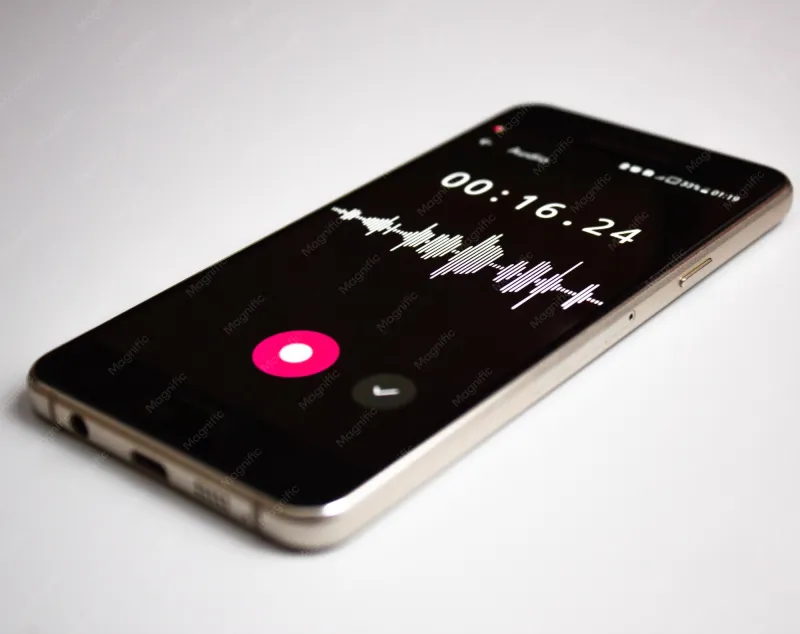
Photo: smartphone showing TikTok audio waveform screen, moody lighting, via img.freepik.com
You've been there. You hear a sound everywhere for two days, finally film something for it, post it — and it flops harder than a GroupMe link in the family chat. What happened? You didn't do anything wrong. You just showed up after the party was over.
Trending audio has a lifespan, and it's shorter than most creators think. Here's what actually happens after a sound takes off, hour by hour, and how to spot one while it's still on the way up.
The First 6 Hours: The Quiet Climb
Before a sound is "trending," it's simmering. A creator with a mid-size following uses an audio in a video that hits, and the algorithm starts pushing it to adjacent For You pages. During this window, the sound might have a few hundred to a few thousand videos attached to it.
This is the golden window — and it's also the hardest one to catch, because nothing looks special yet. The tell isn't the sound itself; it's the behavior around it. Check the audio's page. Are the top videos all from the last 12 hours? Are the comment sections full of people saying "this is about to blow up"? That's your green light. Early adopters leave fingerprints.
Hours 6 to 18: Peak Chaos
Once a sound crosses into mainstream — big creators use it, brands start riffing on it, your aunt sends it to you — you're in peak territory. The algorithm is serving it aggressively, and posting now can still work, but you're competing with tens of thousands of uploads for the same attention.
The math changes here. At peak, the sound is no longer a boost; it's a baseline. Everyone's using it, so using it doesn't differentiate you. If you're going to post during peak, the concept has to carry the video, not the audio. A genuinely funny or unexpected take can still cut through — a standard format won't.
Hours 18 to 24: The Decline Nobody Warns You About
Here's the part that burns people. The algorithm doesn't just stop promoting a sound — it starts actively deprioritizing it. TikTok's recommendation system favors novelty, and once it determines an audio has saturated feeds, new videos using it get funneled into smaller test pools. You can post a great video with a dying sound and watch it stall at 300 views, not because the content was bad, but because the platform already decided that audio's story was told.
This is why "trending sounds" playlists and weekly roundups so often feel useless. By the time a sound makes it onto a listicle, it's usually in decline. You're reading yesterday's newspaper.
The Resurrection Phase
Trends don't always die clean. About a week or two after peak, some sounds get a second life — usually through an ironic or subverted use. The sincere dance trend comes back as a joke format. The sentimental audio gets recontextualized into memes. If you see a sound resurfacing with a completely different vibe than its original run, that's a new wave, not the old one, and it's rideable again.
How to Build Your Early-Warning System
You don't need paid tools to catch trends early. You need a repeatable routine:
- Check the video count against the age. Open the audio page. If a sound has 5,000 videos and the oldest ones are from yesterday, you're early. If it has 500,000 videos and they span three weeks, you're late.
- Sort by newest, not top. The newest tab tells you the current velocity. A steady stream of fresh uploads in the last few hours means the wave is still building.
- Watch your own feed's pacing. If you've seen a sound twice in one scrolling session, it's rising. If you've seen it ten times across two days, it's peaking or past it.
- Follow small-to-mid creators in your niche, not the giants. Big creators accelerate trends into saturation. The 10k-follower accounts show you what's coming.
- Move before you're comfortable. The whole point of the rising phase is that it feels uncertain. There's no proof the trend will hit. That uncertainty is exactly the discount you're buying in at.
The Mindset Shift
Stop asking "is this sound trending?" and start asking "what phase is this sound in?" The same audio can be a goldmine on day one, a coin flip on day two, and a view-killer on day four. Timing isn't a nice-to-have on short-form — it's half the algorithmic equation.
The creators who consistently ride waves aren't luckier or more creative than you. They've just trained themselves to post while the water's still rising instead of after the break. Set your radar up, trust the early signals, and get comfortable being a little too early. It beats being fashionably late to an empty room every single time.